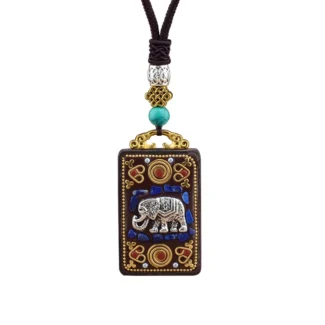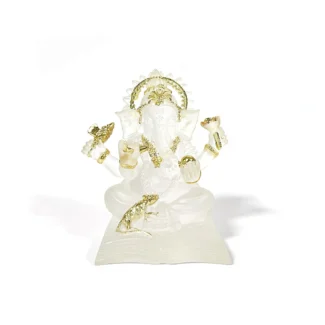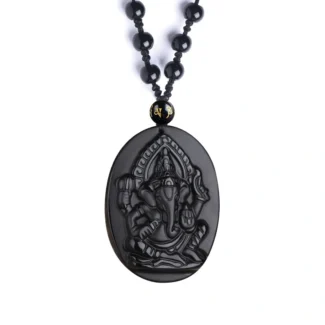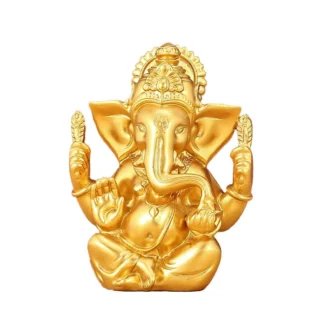



A Guan Yin pendant is a powerful spiritual tool representing the “Goddess of Mercy” who hears the cries of all sentient beings to offer relief and protection. These sacred ornaments serve as a constant reminder to practice kindness while acting as a shield against negative energy in our daily lives. By wearing this symbol, many seekers find a deeper connection to their own inner peace and the universal energy of unconditional love.
- Guan Yin represents the Bodhisattva of Compassion, often called the “One Who Hears the Cries of the World.”
- The pendant acts as a spiritual anchor for emotional healing, stress relief, and heart-centered living.
- Different materials like Jade and Obsidian provide unique benefits ranging from life-force harmony to grounding protection.
- Proper care involves ritual cleansing with sound or incense to maintain the high vibration of the sacred imagery.
- Anyone with respectful intentions can wear this amulet to support their journey toward spiritual growth and enlightenment.
What Is Guan Yin Pendant Meaning: Compassion and Protection?
Definition
A Guan Yin pendant is a sacred ornament featuring the likeness of Guanshiyin (观世音), the Bodhisattva of Compassion and Mercy. In many Western spiritual circles, people refer to these pieces as “Goddess of Mercy jewelry” because of the deity’s nurturing nature. She is known as the “sound perceiver” who offers universal aid to those experiencing suffering or hardship.
Origin and Materials
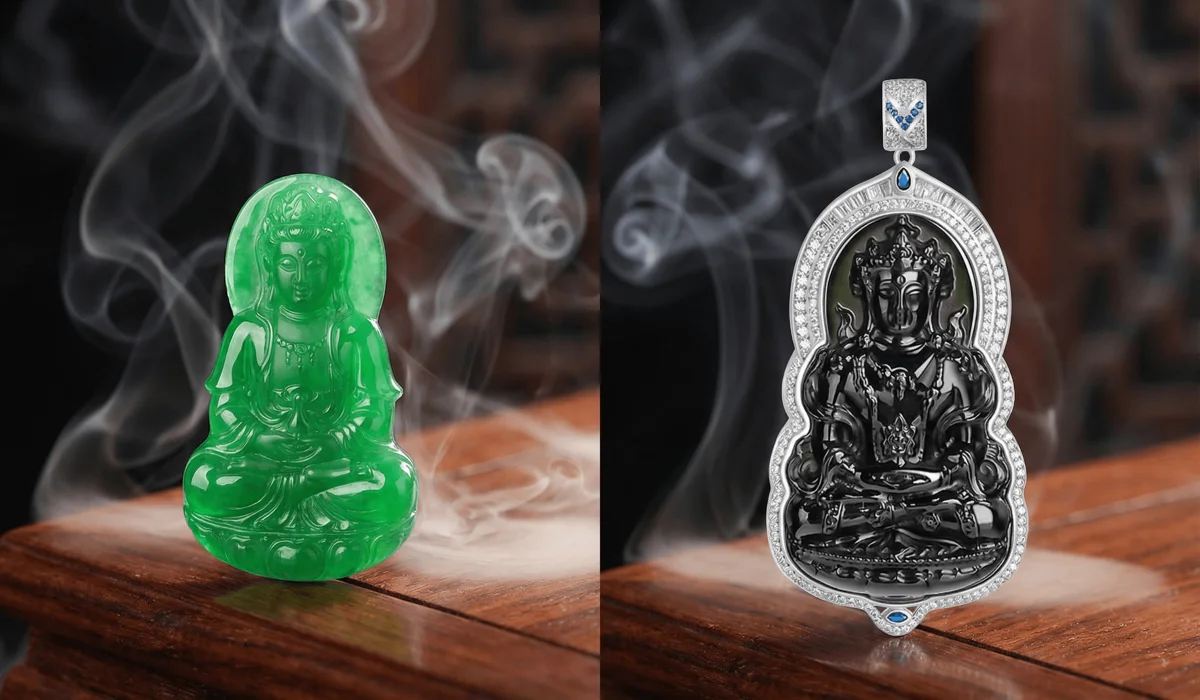
This tradition originates from Mahayana Buddhist practices and later integrated into Taoist and Feng Shui (风水) systems throughout East Asia. We often find these pendants carved from high-vibration natural stones to enhance the wearer’s spiritual path and clarity. Common choices include green jade for longevity or black obsidian for its strong grounding and protective qualities.
Basic Characteristics
The figure is often depicted in various mudras (hand gestures) and postures, such as sitting peacefully on a blooming lotus flower. You might see her holding a willow branch or a sacred vase (Kalasha) containing the nectar of wisdom. These pendants are designed to be worn close to the skin to keep the Bodhisattva’s energy within your personal field.
Spiritual Meaning and Symbolism
The symbols found on a Guan Yin pendant carry deep layers of meaning that help us navigate the challenges of the modern world. Every detail in the carving serves a specific purpose in reminding the wearer of their divine potential for kindness. Understanding these symbols allows you to connect more deeply with the Healing Crystal Meanings and the spiritual essence of the piece.
- The Vase (Kalasha): This represents the endless nectar of compassion poured out to soothe the physical and mental suffering of others.
- The Willow Branch: This symbolizes the strength to bend under pressure without breaking, teaching us about resilience and gentle kindness.
- The Lotus Base: This signifies the ability to rise above the “mud” of worldly troubles to achieve purity and spiritual enlightenment.

Chakra Associations
As the Bodhisattva of Mercy, the Guan Yin pendant acts as a bridge to open the Heart Chakra (Anahata) to unconditional love. It also supports the Third Eye Chakra (Ajna) by encouraging “deep looking” and the development of intuitive wisdom. Many practitioners feel it connects them to the Crown Chakra (Sahasrara), linking the physical body to higher divine realms.
Benefits and Intentions Associated with Guan Yin
In our experience working with these sacred items, we see people use them to cultivate an environment of inner peace. The pendant serves as a powerful tool for seeking spiritual protection against “Sha Chi” (煞气), or negative energy, in your surroundings. It is particularly helpful for cooling feelings of anger or resentment during difficult life transitions.
Many of our clients use their jewelry as a physical anchor for daily loving-kindness meditation to keep their hearts open. Setting a daily intention to mirror the patience of the Bodhisattva can transform how you handle social interactions. Over time, this practice turns a piece of jewelry into a significant commitment to self-healing and emotional balance.
| Feature | Jade Guan Yin | Obsidian Guan Yin |
|---|---|---|
| Primary Element | Wood / Earth | Water / Fire |
| Main Benefit | Harmony and Health | Protection and Grounding |
| Energy Type | Nurturing / Gentle | Strong / Shielding |
| Chakra Focus | Heart Chakra | Root Chakra |
How to Wear Guan Yin Pendant Meaning: Compassion and Protection
While often worn as a necklace, the placement of the pendant is important for maximizing its spiritual resonance with your body. Following traditional Feng Shui logic, the “receptive” left side of the body is thought to absorb the peaceful energy of the stone. To learn more about authentic gemstone quality, you can refer to resources from the Gemological Institute of America.
Wearing the pendant close to the throat or heart allows the stone’s vibration to align with your personal energy centers. Many people choose to wear it specifically during meditation sessions to deepen their connection to the Avalokiteshvara (观世音菩萨) representation. It also acts as a shield when you are in crowded or emotionally taxing environments.
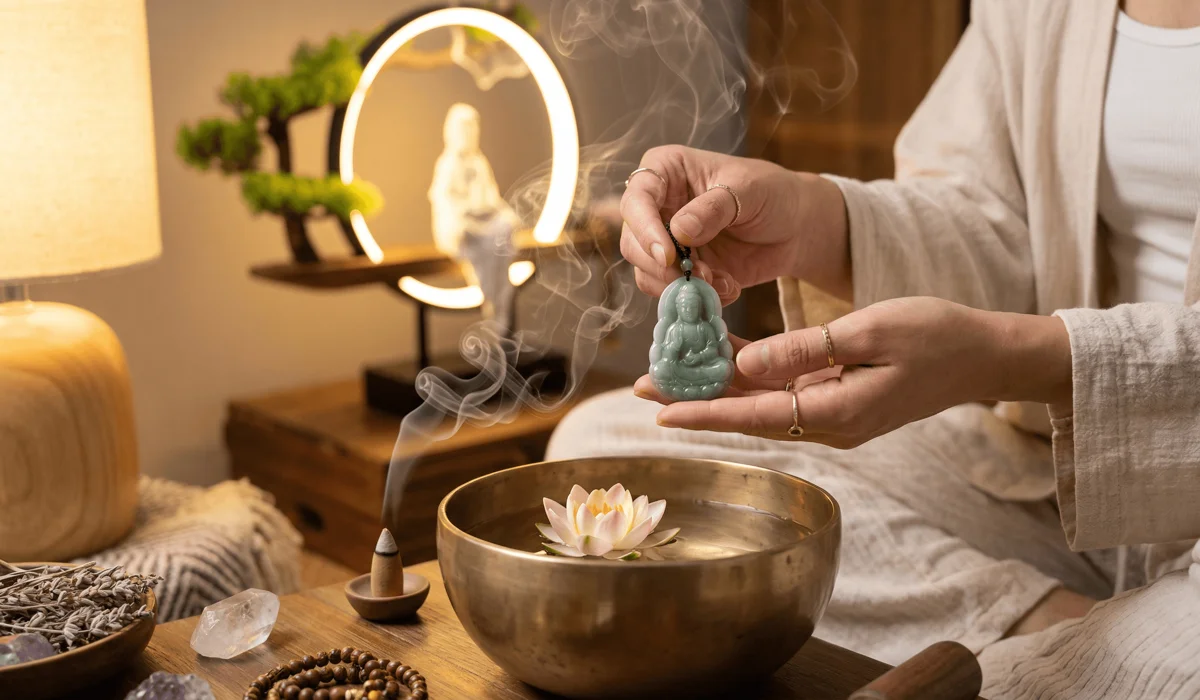
To set your intention, hold the pendant in both hands and visualize a soft white light flowing from the figure. You may wish to recite the “Om Mani Padme Hum” mantra to align the jewelry with the frequency of universal compassion. For those seeking specific designs, you can explore Sacred Necklaces that match your spiritual goals.
Guan Yin Pendant vs Similar Amulets
Jade is traditionally favored for its association with “Qi” (气), harmony, and long-term spiritual nourishment for the soul. In contrast, Obsidian Guan Yin benefits focus on rapid protection, shielding the wearer from “psychic smog” and external negativity. Both materials are highly respected by the Gemmological Association of Great Britain for their unique physical and historical properties.
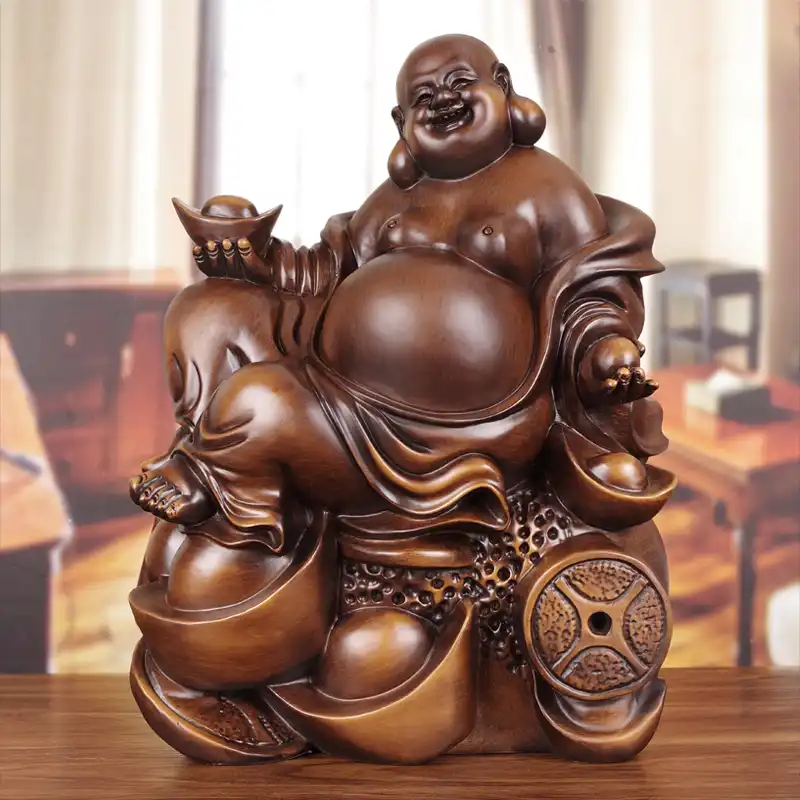
It is also helpful to distinguish this symbol from the Laughing Buddha pendant often seen in similar shops. Guan Yin focuses on the relief of suffering and quiet inner peace, whereas the Laughing Buddha symbolizes material wealth and joy. If you are concerned about specific annual energy shifts, check our Tai Sui Protection Guide to see how different amulets interact with your zodiac sign.
Who Is This Pendant Suitable For?
Individuals who feel “heart-heavy” or disconnected from their empathetic nature often find great comfort in wearing Guan Yin. It is perfect for those seeking to balance a busy or stressful lifestyle with a more compassionate heart reminder. Caregivers, healers, and teachers who give much of their energy to others often find it helps them stay centered.
In some traditions, Guan Yin is associated with the Eight Zodiac Guardians, making it a powerful choice for specific birth years. It is particularly resonant for those born in the Year of the Goat, though its message of mercy is inclusive to everyone. You can find more historical information about these deities on English Wikipedia to deepen your cultural understanding.
How to Cleanse, Charge, and Care for Your Pendant
Cleansing your pendant is essential to clear any stagnant energy that may have been absorbed by the intricate carvings over time. We recommend using a singing bowl for sound cleansing or passing the piece through the smoke of sandalwood incense. Placing the pendant under the light of a full moon is another excellent way to refresh its “Yin” (gentle) energy.
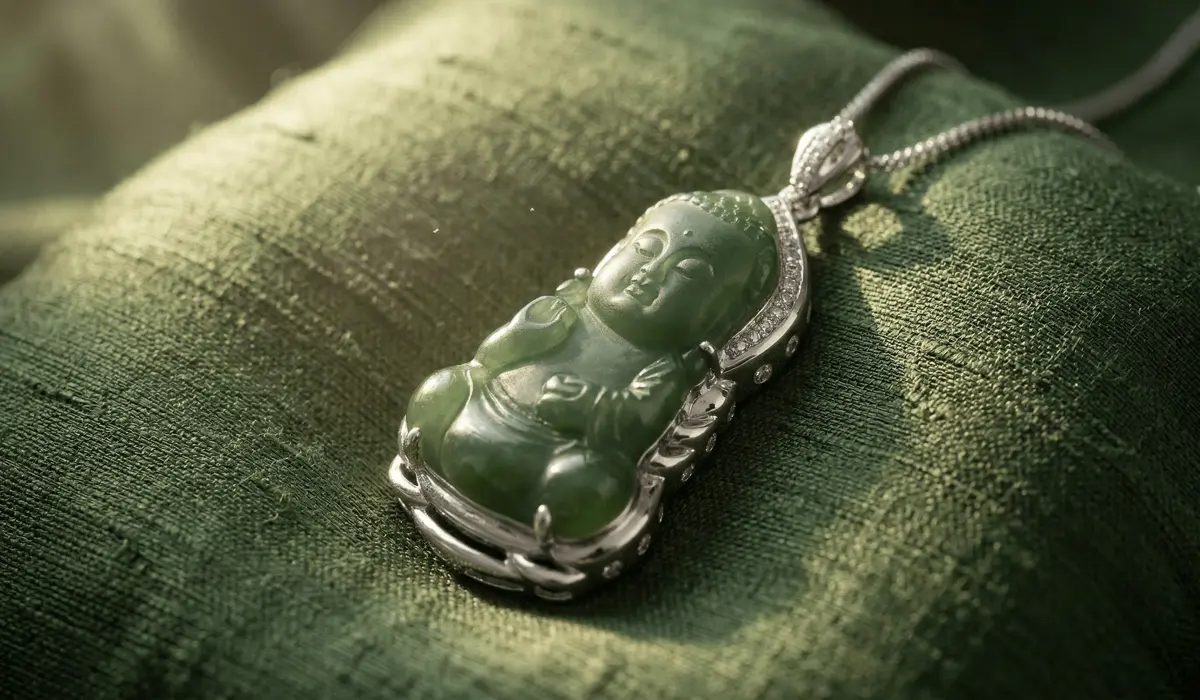
To charge the pendant, you can place it on a clear quartz cluster to amplify its auspicious protection. Sitting in silent contemplation while holding the piece helps to re-establish your personal bond with the imagery. Always remove the jewelry before bathing or swimming to respect the sacred figure and preserve the natural stone quality.
Frequently Asked Questions
Q: What is the significance of a Guan Yin necklace?
A: It serves as a physical representation of the Bodhisattva’s presence in the wearer’s life. It acts as a constant reminder to practice mercy toward oneself and others.
Q: Why is it important to wear Guan Yin close to the heart?
A: This placement is believed to allow the pendant’s calming energy to directly influence the heart chakra. It symbolizes keeping the virtues of compassion at the center of one’s being.
Q: Who is eligible to wear a Guan Yin pendant?
A: Buddhist traditions generally hold that anyone with a sincere heart and respectful intention can wear the image. It is often gifted to those starting new chapters in life as a token of protection.
Q: What materials are best for a Guan Yin protection pendant?
A: Jade is the most traditional choice for its historical connection to purity and heaven. Obsidian is highly regarded for those specifically seeking a shield against negative external influences.
Q: What does Guan Yin symbolize in Buddhist traditions?
A: The embodiment of the Perfection of Wisdom and the infinite patience required for enlightenment. The ultimate bridge between the divine realm and the suffering of the earthly plane.
A Guan Yin pendant is more than simple jewelry; it is a sacred tool for cultivating a compassionate heart and a peaceful mind. Whether you choose jade for harmony or obsidian for warding, this amulet serves as a powerful anchor for your spiritual journey. We invite you to explore our curated collection of meaningful pieces to find the one that resonates with your personal path toward inner peace.
This content is for informational and cultural exchange purposes only. It does not constitute medical, legal, financial, or other professional advice. Readers should consult with qualified professionals if they have specific concerns regarding their health or well-being.

Written by the Buddha Bodhis Team
Since 2020, we have been devoted to exploring traditional year-based wisdom, classical Feng Shui principles, and the rich spiritual symbolism rooted in Eastern cultural heritage. Our work bridges ancient metaphysical systems with modern life, interpreting annual cycles, elemental energies, and symbolic meanings to offer thoughtful insight and practical guidance. Through continuous research and practice, we aim to preserve traditional knowledge while making it accessible, relevant, and meaningful for contemporary seekers of balance, intention, and personal growth.
TikTok | YouTube | Pinterest | X
buddhabodhis@gmail.com